How to Mix Modern and Vintage Pieces Like a Pro

Ever scroll through Pinterest and wonder how some people make vintage and modern furniture look like they were made for each other? Meanwhile, you try it and it looks like your grandma’s attic exploded next to an IKEA display. 
Mixing modern and vintage decor isn’t about luck or some secret formula—it’s about balance, intention, and a little bit of confidence. When done right, it creates a layered, high-end look that feels both lived-in and effortlessly cool. Let’s break down exactly how to master the mix.
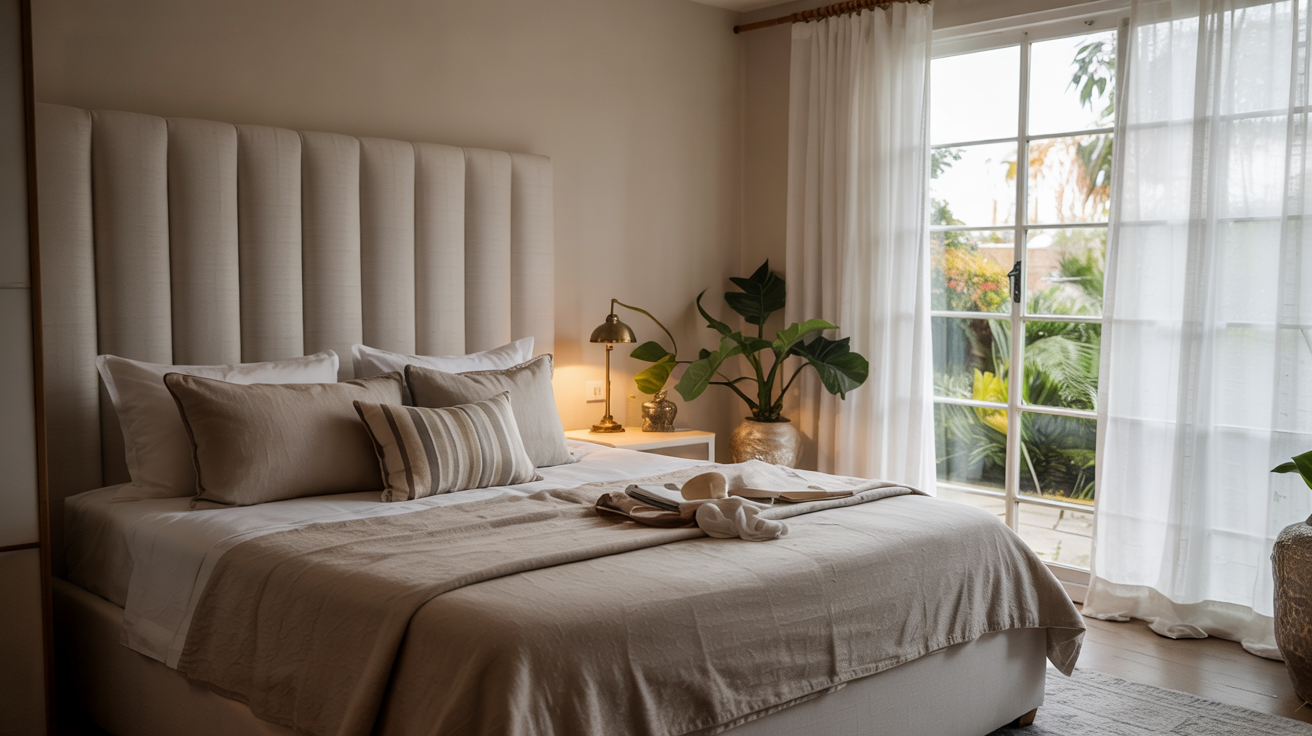
1. Start with a Neutral Foundation
Before layering in all the vintage charm and sleek modern edges, give your space a calm, neutral base.
Why it matters:
-
A neutral palette keeps the space from feeling chaotic
-
It lets each piece stand out without competing
Try this:
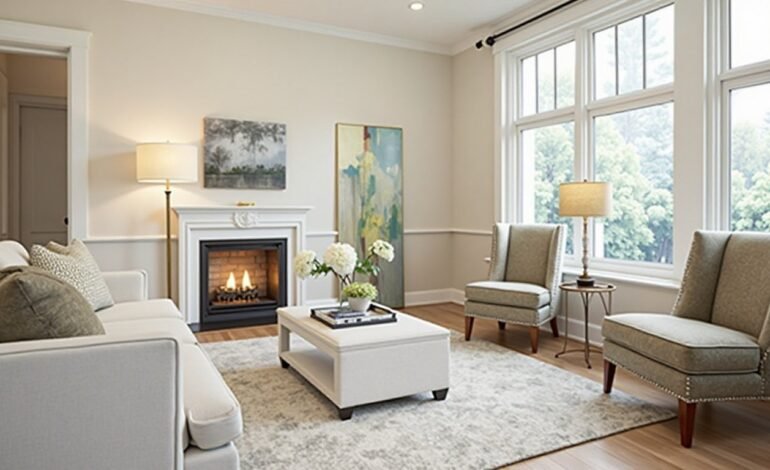
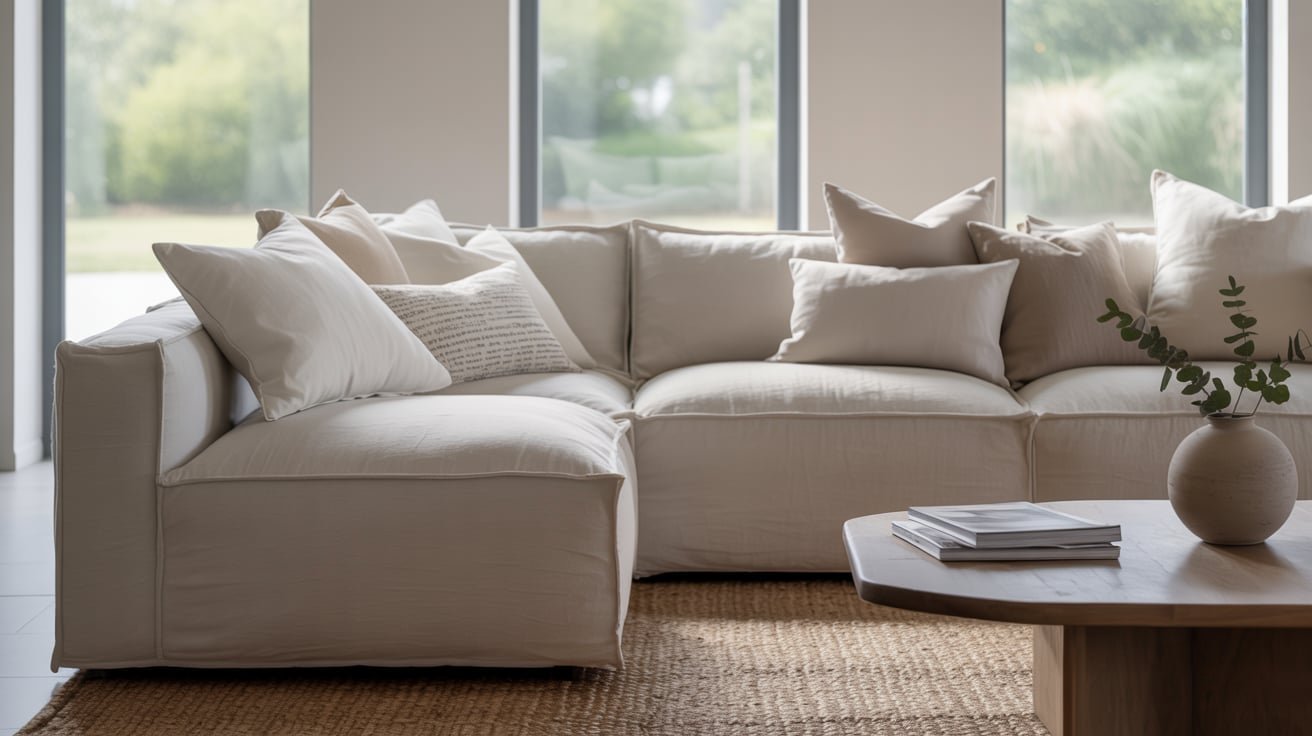
Use whites, beiges, soft grays, or warm wood tones for walls, rugs, and large furniture. Then bring in the contrast.
2. Let One Style Lead the Way
Think of it like fashion—you don’t wear sequins and leopard print and stripes (hopefully).
How to choose:
-
Decide if the space leans more modern or more vintage
-
Use a 70/30 rule: 70% one style, 30% the other
This gives the room structure and keeps it from looking random.
3. Match Through Color or Tone
Even if your styles are different, color can tie them together.
What to look for:
-
Warm wood tones across both vintage and modern pieces
-
Shared color palettes (e.g., olive green, brass, or matte black)
-
Consistent upholstery textures like leather or linen
When in doubt, color-match your furniture legs. It’s subtle, but it helps a lot.
4. Use Contrast Intentionally
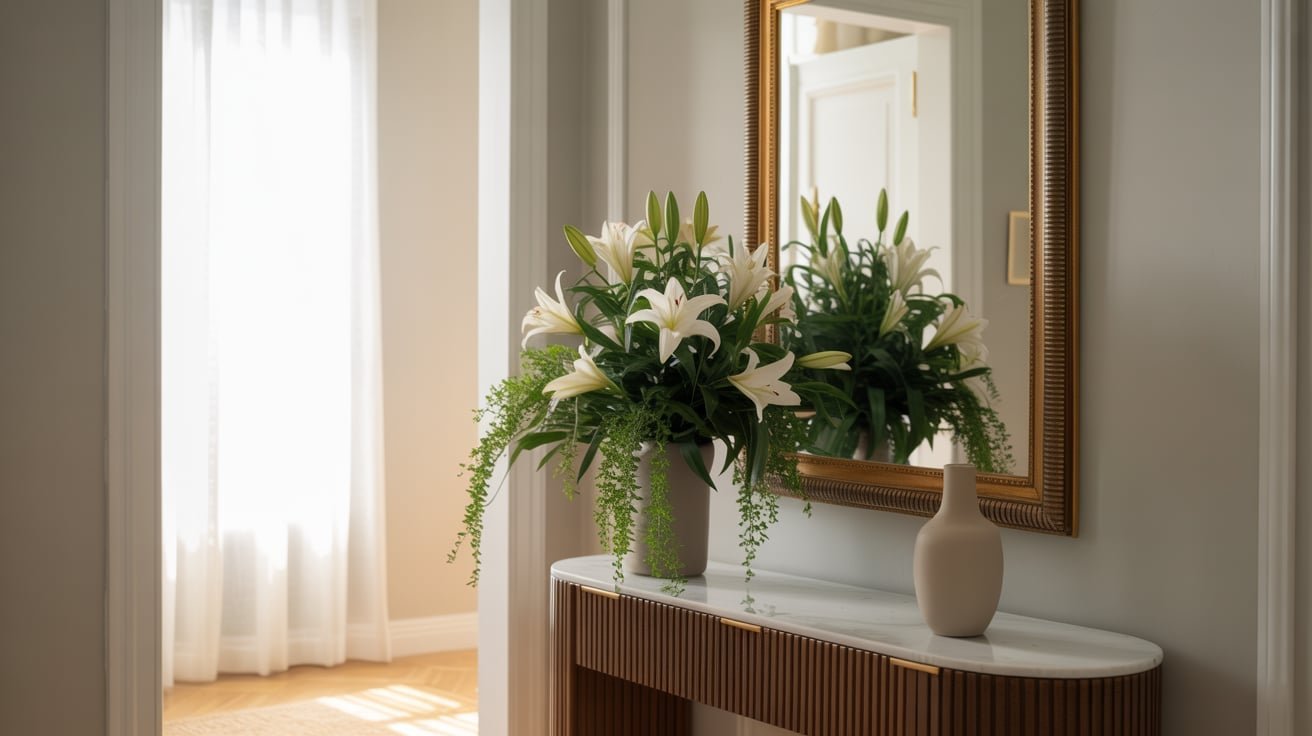
Modern and vintage shine brightest when they contrast—think an antique chest under a sleek mirror, or a mid-century chair next to a marble side table.
Balance the room by:
-
Pairing old shapes with modern materials
-
Mixing ornate and minimalist styles
-
Combining patina with polish (think brass + matte finishes)
Let opposites attract, but make sure they’re talking to each other.
5. Highlight Vintage with Simpler Surroundings
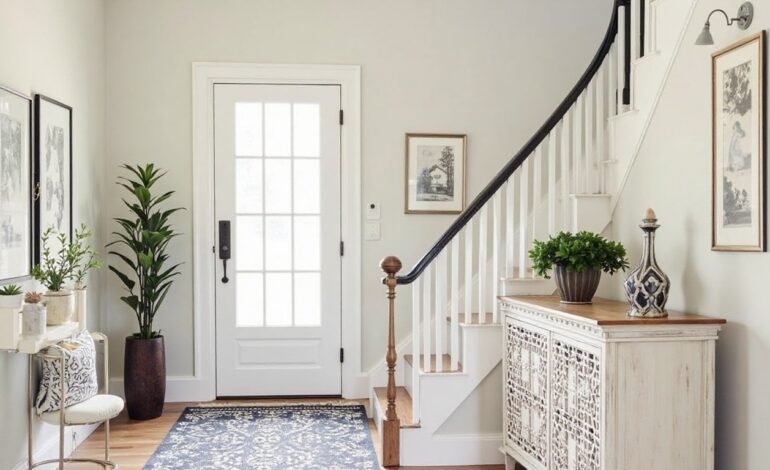
Got a gorgeous vintage dresser or ornate mirror? Give it room to breathe.
Why it works:
-
Minimalist surroundings help vintage pieces become the star
-
It keeps the room feeling modern and curated
Don’t overcrowd a room full of vintage. One standout piece is often enough.
6. Edit Ruthlessly
Yes, that quirky flea market chair could work, but not with five other equally quirky pieces.
What to keep in mind:
-
Not every cool item needs to be in the same room
-
Choose quality and cohesion over quantity
Create moments—not museums.
7. Mix Eras, Not Just Styles
Modern doesn’t always mean brand new, and vintage doesn’t always mean antique. Get creative with decades.
How to experiment:
-
Pair mid-century pieces with 90s minimalism
-
Use Art Deco details with modern farmhouse
-
Add industrial lighting to balance vintage wood
This keeps the room from feeling like a time capsule.
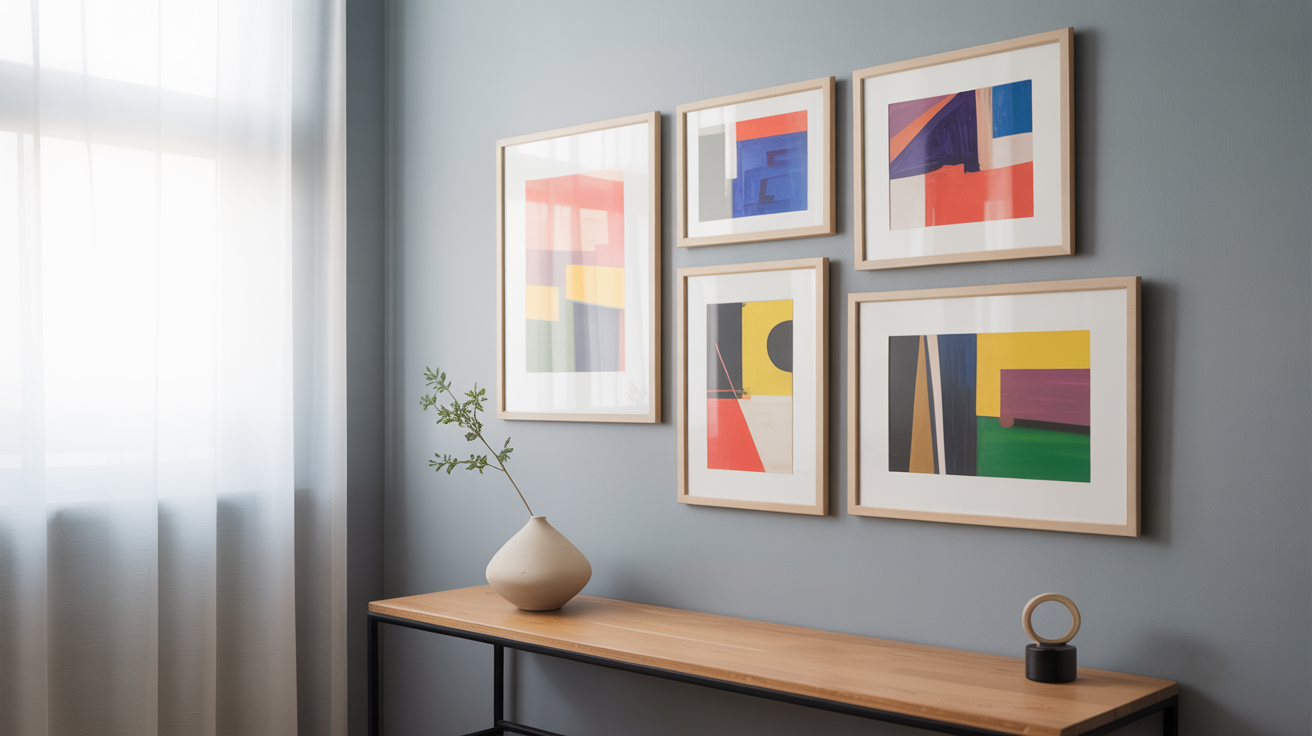
8. Personalize with Art and Decor
Art is where modern and vintage truly meet. It tells your story.
Try this:
-
Hang contemporary art over a vintage console
-
Frame old prints with sleek frames
-
Mix in personal finds like travel souvenirs, books, or ceramics
Blending styles is easier when your home reflects you.
Final Thoughts: Style Is in the Mix
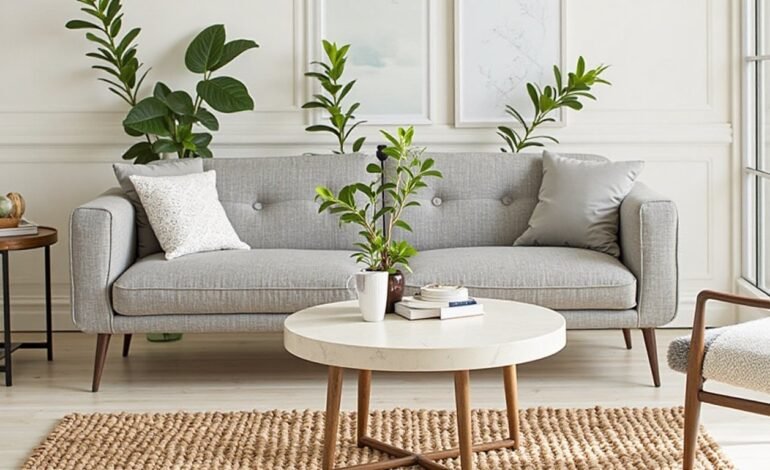
Blending modern and vintage decor isn’t about rules—it’s about rhythm. Let one style lead, use contrast with purpose, and always edit with intention. When you nail the balance, you create something way better than showroom-perfect. You create a space that feels collected, soulful, and honestly? Super chic.
So go ahead, put that old chest next to your new sofa. Mix that thrift-store find with your Crate & Barrel lamp. That’s where the magic happens. 🙂